Aortic geometry and endovascular repair
Curvature-based metrics distinguish stable from progressive type B aortic dissections. Published in PLOS Computational Biology, Computers in Biology and Medicine, and JVS-Vascular Science.
Medical Student · UCLA
I am a medical student at UCLA drawn to interventional radiology. My research uses geometric analysis and machine learning on medical images, with current projects in aortic disease, soft-tissue sarcoma, prostatic artery embolization, and musculoskeletal embolization.
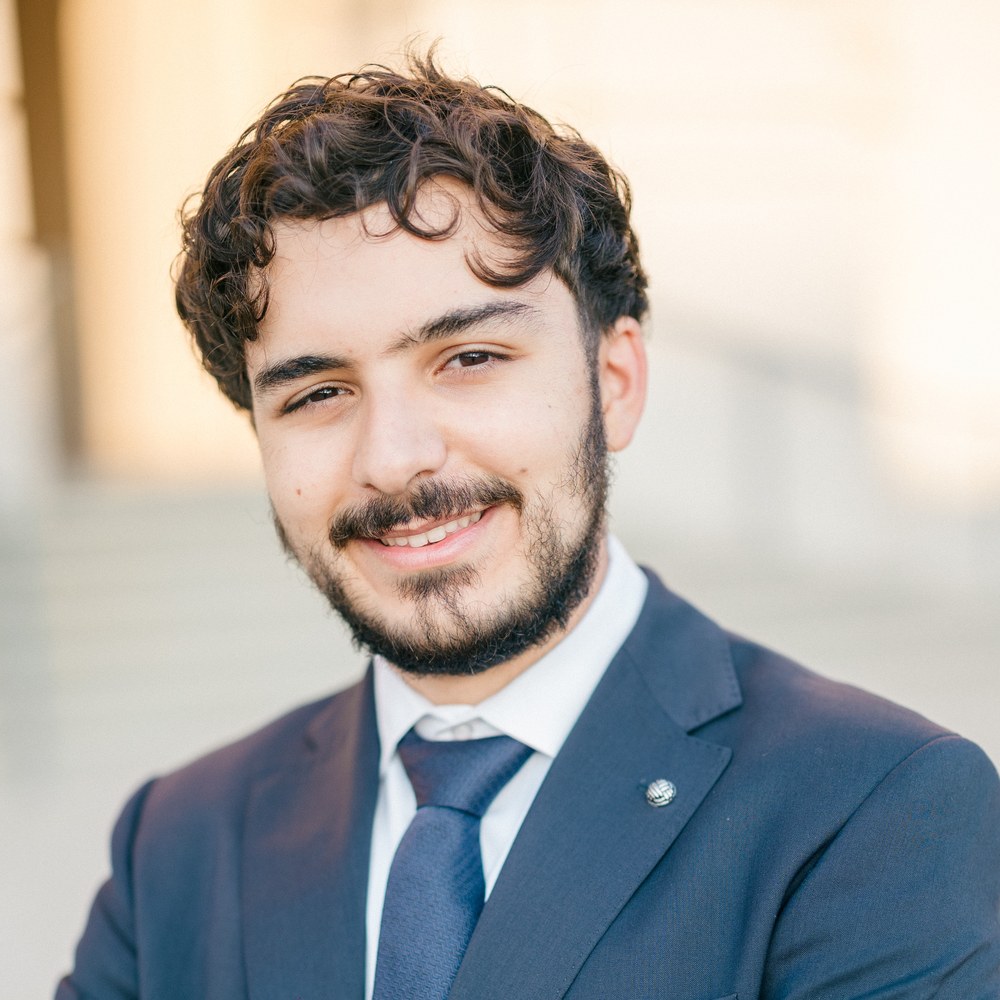
I am a medical student at the David Geffen School of Medicine at UCLA, Class of 2027, drawn to interventional radiology.
I came to imaging through mathematics. At the University of Chicago, where I studied biology and quantitative methods with a computer-science minor, I worked on the geometric analysis of aortic dissections. My current research spans aortic disease, soft-tissue sarcoma, prostatic artery embolization, and musculoskeletal embolization.
I have also spent two stints at BigHat Biosciences working on machine learning for antibody engineering, and I co-founded SyriaScript, a Python and machine-learning education program for students in Syria.
Curvature-based metrics distinguish stable from progressive type B aortic dissections. Published in PLOS Computational Biology, Computers in Biology and Medicine, and JVS-Vascular Science.
MRI-based models for recurrence and complication prediction in upper-extremity sarcoma. Funded by the 2025 RSNA Medical Student Research Grant and the 2024 OREF Resident Research Project Grant.
Transarterial embolization for adhesive capsulitis and related musculoskeletal pain syndromes. Systematic review and meta-analysis published in the Journal of Vascular and Interventional Radiology.
Imaging-based geometric features as predictors of symptomatic improvement following prostatic artery embolization.
Outside the hospital I play and watch tennis, hike when and where I can, and learn more about history than is strictly necessary.